Buy ohgodanethlargementpill.eu ?
We are moving the project
ohgodanethlargementpill.eu .
Are you interested in purchasing the domain
ohgodanethlargementpill.eu ?
domain@kv-gmbh.de · 0541-91531010
Buy ohgodanethlargementpill.eu ?
How to create a titration curve of a conductivity titration?
To create a titration curve of a conductivity titration, you would first need to set up your titration apparatus with a conductivity meter. Begin by measuring the initial conductivity of the solution being titrated. As you add titrant incrementally, record the conductivity at each point. Plot the conductivity values against the volume of titrant added to create a titration curve. The curve will typically show a sharp increase in conductivity at the equivalence point, allowing you to determine the endpoint of the titration. **
How does a titration with the degree of titration work?
A titration with the degree of titration works by gradually adding a titrant of known concentration to a solution of the analyte until the reaction between the two is complete. The point at which the reaction is complete is determined by using an indicator or a pH meter. The amount of titrant required to reach this point is used to calculate the concentration of the analyte in the original solution. The degree of titration refers to the extent to which the reaction has progressed and is typically expressed as a percentage. **

Similar search terms for Titration
Top-Angebote
Products related to Titration:
-
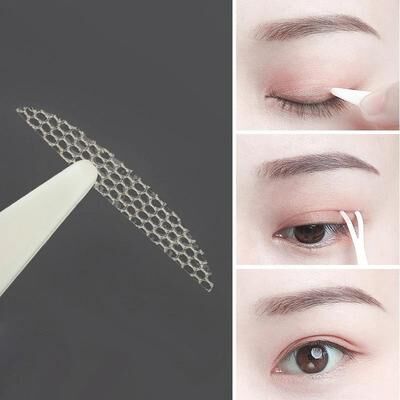
Uplifted Goods Invisible Double Eyelid Lifting Tape For Natural Eye Enhancement bEnhance your natural beauty with these invisible double eyelid lifting patches designed to instantly create a defined crease and lifted look. Made with gentle, skinfriendly adhesive, these patches are ultrathin and blend seamlessly with all skin...34,97 $*Shipping: 0,00 $Secure redirect to the provider
-
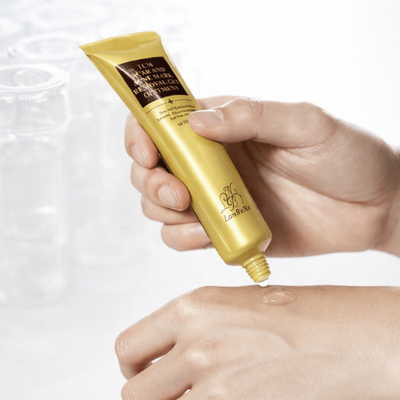
CreateConfidence TCM Acne Scar Cream Natural Herbal Treatment For Clear, Smooth Skin TCM Acne Scar Cream Natural Herbal Treatment For Clear, Smooth SkinStruggling with stubborn acne marks that just wont fade This acne scar cream is designed for anyone who wants clearer, smoother skin without harsh chemicals. Powered by traditional herbal ingredients, it works gently yet effectively to reduce...29,97 $*Shipping: 0,00 $Secure redirect to the provider
-
Boost Pebble Sunbrella Performance Fabric by the Yard - Ballard DesignsSolid pebble in a velvety richly textured weave of thick, supple, family-friendly Ballard Designs Performance Fabric by Sunbrella.Content: 100% Sunbrella Acrylic. Repeat: Non Railroaded fabric with no repeat . Care: Spot clean easily with mild soap...57,60 $*Shipping: 179,00 $Secure redirect to the provider
-
Inspired Finds Natural Salmon Fish Oil Supplement For Dogs & Cats With Omega Fatty Acids Natural Salmon Fish Oil Supplement For Dogs & Cats With Omega Fatty AcidsSupport your pets overall wellness with this nutrientrich salmon fish oil for pets formulated to help maintain healthy skin, a shiny coat, strong joints, and daily vitality. Packed with essential omega fatty acids, this easytouse liquid supplement...78,99 $*Shipping: 0,00 $Secure redirect to the provider


-
How does titration work?
Titration is a technique used in chemistry to determine the concentration of a specific substance in a solution. It involves slowly adding a solution of known concentration (titrant) to a solution of unknown concentration until the reaction between the two is complete. This is typically indicated by a color change or other observable change. By measuring the volume of titrant required to reach the endpoint, the concentration of the unknown solution can be calculated using stoichiometry. **
-
What is a titration?
A titration is a laboratory technique used to determine the concentration of a specific substance in a solution. It involves slowly adding a solution of known concentration (titrant) to a solution of unknown concentration until the reaction between the two is complete. The point at which the reaction is complete is called the equivalence point, which is used to calculate the concentration of the unknown solution. Titration is commonly used in chemistry for various purposes, such as determining the acidity or alkalinity of a solution. **
-
Can the titration volume be calculated without having performed the titration beforehand?
No, the titration volume cannot be accurately calculated without having performed the titration beforehand. The titration volume is determined by the amount of titrant needed to reach the equivalence point, which can only be determined through the actual titration process. The titration volume is a crucial parameter in determining the concentration of the analyte in the sample, so it is essential to perform the titration to obtain this information accurately. **
-
What does a titration curve look like when no titration is performed?
When no titration is performed, a titration curve would simply be a straight horizontal line at the initial pH of the solution being tested. This is because there would be no addition of titrant to cause any changes in pH. The curve would remain flat and unchanging until a titrant is added to initiate the titration process. **


What is the difference between a pH-metric titration and an indicator titration?
A pH-metric titration involves the use of a pH meter to measure the pH of a solution as a titrant is added to it. This allows for a precise determination of the equivalence point of the titration. On the other hand, an indicator titration uses a chemical indicator that changes color at or near the equivalence point to signal the end of the titration. While pH-metric titrations provide more accurate and precise results, indicator titrations are simpler and more commonly used in introductory chemistry labs. **
What is a back titration?
A back titration is a technique used in analytical chemistry to determine the concentration of an analyte that reacts slowly or incompletely with a direct titration method. It involves adding an excess of a known reagent to the analyte, allowing the reaction to proceed, and then titrating the excess reagent that did not react with a second titrant. By measuring the amount of the second titrant required to react with the excess reagent, the concentration of the analyte can be calculated. Back titrations are particularly useful when the analyte is volatile, weakly acidic or basic, or when there are interfering substances present. **
Top-Angebote
Products related to Titration:
-
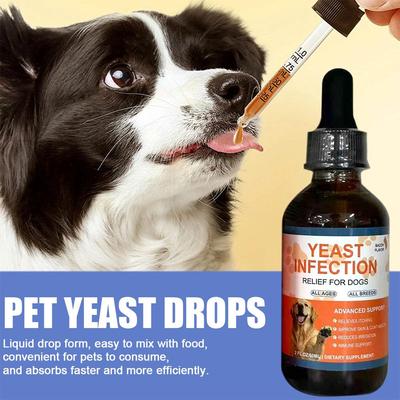
Happy Pet Pantry Natural Dog & Cat Yeast Infection Drops Herbal Gut & Immune Support Supplement Natural Dog & Cat Yeast Infection Drops Herbal Gut & Immune Support SupplementWhen pets struggle with itching, odor, or digestive imbalance, daily comfort can quickly decline. This gentle herbal liquid supplement is designed for dogs and cats experiencing yeastrelated discomfort and digestive imbalance. For pet owners seeking...34,97 $*Shipping: 0,00 $Secure redirect to the provider
-
Sonos BOOST Wireless Performance Component - WhiteDescription The Sonos BOOST is a dedicated wireless network component designed to help provide a reliable connection for compatible Sonos speakers. It creates a dedicated wireless network for Sonos products, helping reduce interference from other devices on the home WiFi network. BOOST is useful in larger homes or environments where WiFi coverage or network congestion can affect wireless audio performance. It connects to the home router using Ethernet and provides a dedicated wireless connection for Sonos products. The compact design allows the BOOST to be positioned conveniently near a router or in another suitable location. It supports both 2.4GHz and 5GHz wireless networks and features Ethernet connectivity for a stable wired connection to the network.116,49 £*Shipping: 0,00 £Secure redirect to the provider
-
Uplifted Goods Invisible Double Eyelid Lifting Tape For Natural Eye Enhancement bEnhance your natural beauty with these invisible double eyelid lifting patches designed to instantly create a defined crease and lifted look. Made with gentle, skinfriendly adhesive, these patches are ultrathin and blend seamlessly with all skin...34,97 $*Shipping: 0,00 $Secure redirect to the provider
-
CreateConfidence TCM Acne Scar Cream Natural Herbal Treatment For Clear, Smooth Skin TCM Acne Scar Cream Natural Herbal Treatment For Clear, Smooth SkinStruggling with stubborn acne marks that just wont fade This acne scar cream is designed for anyone who wants clearer, smoother skin without harsh chemicals. Powered by traditional herbal ingredients, it works gently yet effectively to reduce...29,97 $*Shipping: 0,00 $Secure redirect to the provider
-
How to create a titration curve of a conductivity titration?
To create a titration curve of a conductivity titration, you would first need to set up your titration apparatus with a conductivity meter. Begin by measuring the initial conductivity of the solution being titrated. As you add titrant incrementally, record the conductivity at each point. Plot the conductivity values against the volume of titrant added to create a titration curve. The curve will typically show a sharp increase in conductivity at the equivalence point, allowing you to determine the endpoint of the titration. **
-
How does a titration with the degree of titration work?
A titration with the degree of titration works by gradually adding a titrant of known concentration to a solution of the analyte until the reaction between the two is complete. The point at which the reaction is complete is determined by using an indicator or a pH meter. The amount of titrant required to reach this point is used to calculate the concentration of the analyte in the original solution. The degree of titration refers to the extent to which the reaction has progressed and is typically expressed as a percentage. **
-
How does titration work?
Titration is a technique used in chemistry to determine the concentration of a specific substance in a solution. It involves slowly adding a solution of known concentration (titrant) to a solution of unknown concentration until the reaction between the two is complete. This is typically indicated by a color change or other observable change. By measuring the volume of titrant required to reach the endpoint, the concentration of the unknown solution can be calculated using stoichiometry. **
-
What is a titration?
A titration is a laboratory technique used to determine the concentration of a specific substance in a solution. It involves slowly adding a solution of known concentration (titrant) to a solution of unknown concentration until the reaction between the two is complete. The point at which the reaction is complete is called the equivalence point, which is used to calculate the concentration of the unknown solution. Titration is commonly used in chemistry for various purposes, such as determining the acidity or alkalinity of a solution. **
Similar search terms for Titration
-
Boost Pebble Sunbrella Performance Fabric by the Yard - Ballard DesignsSolid pebble in a velvety richly textured weave of thick, supple, family-friendly Ballard Designs Performance Fabric by Sunbrella.Content: 100% Sunbrella Acrylic. Repeat: Non Railroaded fabric with no repeat . Care: Spot clean easily with mild soap...57,60 $*Shipping: 179,00 $Secure redirect to the provider
-
Inspired Finds Natural Salmon Fish Oil Supplement For Dogs & Cats With Omega Fatty Acids Natural Salmon Fish Oil Supplement For Dogs & Cats With Omega Fatty AcidsSupport your pets overall wellness with this nutrientrich salmon fish oil for pets formulated to help maintain healthy skin, a shiny coat, strong joints, and daily vitality. Packed with essential omega fatty acids, this easytouse liquid supplement...78,99 $*Shipping: 0,00 $Secure redirect to the provider
-
Inspire Picks Natural Salmon Fish Oil For Dogs & Cats Omega 3, 6 & 9 Pet Supplement (200ml) Natural Salmon Fish Oil For Dogs & Cats Omega 3, 6 & 9 Pet Supplement (200ml)Support your pets everyday wellness with this premium salmon fish oil for dogs and cats, specially formulated with 21 essential omega fatty acids. Made from natural salmon oil, this nutrientrich pet nutritional supplement helps promote healthy skin,...68,56 $*Shipping: 0,00 $Secure redirect to the provider
-
Inspire Essentials PurePaws Salmon Fish Oil Supplement PurePaws Salmon Fish Oil SupplementSupport your pets everyday wellness with this premium salmon fish oil for dogs and cats designed to help promote healthier skin shinier coats and overall vitality. Packed with essential omega fatty acids, this natural nutritional supplement helps...65,98 $*Shipping: 0,00 $Secure redirect to the provider
-
Can the titration volume be calculated without having performed the titration beforehand?
No, the titration volume cannot be accurately calculated without having performed the titration beforehand. The titration volume is determined by the amount of titrant needed to reach the equivalence point, which can only be determined through the actual titration process. The titration volume is a crucial parameter in determining the concentration of the analyte in the sample, so it is essential to perform the titration to obtain this information accurately. **
-
What does a titration curve look like when no titration is performed?
When no titration is performed, a titration curve would simply be a straight horizontal line at the initial pH of the solution being tested. This is because there would be no addition of titrant to cause any changes in pH. The curve would remain flat and unchanging until a titrant is added to initiate the titration process. **
-
What is the difference between a pH-metric titration and an indicator titration?
A pH-metric titration involves the use of a pH meter to measure the pH of a solution as a titrant is added to it. This allows for a precise determination of the equivalence point of the titration. On the other hand, an indicator titration uses a chemical indicator that changes color at or near the equivalence point to signal the end of the titration. While pH-metric titrations provide more accurate and precise results, indicator titrations are simpler and more commonly used in introductory chemistry labs. **
-
What is a back titration?
A back titration is a technique used in analytical chemistry to determine the concentration of an analyte that reacts slowly or incompletely with a direct titration method. It involves adding an excess of a known reagent to the analyte, allowing the reaction to proceed, and then titrating the excess reagent that did not react with a second titrant. By measuring the amount of the second titrant required to react with the excess reagent, the concentration of the analyte can be calculated. Back titrations are particularly useful when the analyte is volatile, weakly acidic or basic, or when there are interfering substances present. **
* All prices are inclusive of VAT and, if applicable, plus shipping costs. The offer information is based on the details provided by the respective shop and is updated through automated processes. Real-time updates do not occur, so deviations can occur in individual cases. ** Note: Parts of this content were created by AI.