Buy ohgodanethlargementpill.eu ?
We are moving the project
ohgodanethlargementpill.eu .
Are you interested in purchasing the domain
ohgodanethlargementpill.eu ?
domain@kv-gmbh.de · 0541-91531010
Buy ohgodanethlargementpill.eu ?
What are relative clauses and conjunctional clauses?
Relative clauses are clauses that provide additional information about a noun in the main clause. They are introduced by relative pronouns such as "who," "which," "that," and "whom." For example, in the sentence "The book that I read is very interesting," the relative clause "that I read" provides more information about the noun "book." Conjunctional clauses, on the other hand, are clauses that are connected to the main clause by conjunctions such as "and," "but," "or," "if," and "because." They can express relationships such as addition, contrast, alternative, condition, and cause. For example, in the sentence "I will go to the park if the weather is nice," the conjunctional clause "if the weather is nice" expresses a condition for the action in the main clause. **
What are conjunctional clauses, relative clauses, demonstrative clauses, and infinitive clauses?
Conjunctional clauses are dependent clauses that are introduced by a conjunction, such as "because," "although," or "while." They provide additional information about the main clause in a sentence. Relative clauses are also dependent clauses that provide more information about a noun in the main clause. They are introduced by relative pronouns like "who," "which," or "that." Demonstrative clauses are dependent clauses that function as adjectives and provide more information about a noun in the main clause. They are introduced by demonstrative pronouns like "this," "that," "these," or "those." Infinitive clauses are dependent clauses that are formed with an infinitive verb (to + base form of the verb). They can function as nouns, adjectives, or adverbs in a sentence. **


Similar search terms for Conjunctional
Top-Angebote
Products related to Conjunctional:
-
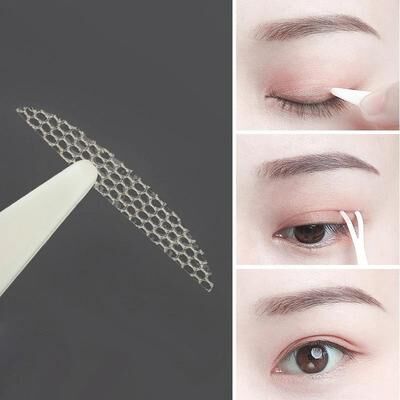
Uplifted Goods Invisible Double Eyelid Lifting Tape For Natural Eye Enhancement bEnhance your natural beauty with these invisible double eyelid lifting patches designed to instantly create a defined crease and lifted look. Made with gentle, skinfriendly adhesive, these patches are ultrathin and blend seamlessly with all skin...34,97 $*Shipping: 0,00 $Secure redirect to the provider
-
Boost Pebble Sunbrella Performance Fabric by the Yard - Ballard DesignsSolid pebble in a velvety richly textured weave of thick, supple, family-friendly Ballard Designs Performance Fabric by Sunbrella.Content: 100% Sunbrella Acrylic. Repeat: Non Railroaded fabric with no repeat . Care: Spot clean easily with mild soap...57,60 $*Shipping: 179,00 $Secure redirect to the provider
-
Inspired Finds Natural Salmon Fish Oil Supplement For Dogs & Cats With Omega Fatty Acids Natural Salmon Fish Oil Supplement For Dogs & Cats With Omega Fatty AcidsSupport your pets overall wellness with this nutrientrich salmon fish oil for pets formulated to help maintain healthy skin, a shiny coat, strong joints, and daily vitality. Packed with essential omega fatty acids, this easytouse liquid supplement...78,99 $*Shipping: 0,00 $Secure redirect to the provider
-
CreateConfidence TCM Acne Scar Cream Natural Herbal Treatment For Clear, Smooth Skin TCM Acne Scar Cream Natural Herbal Treatment For Clear, Smooth SkinStruggling with stubborn acne marks that just wont fade This acne scar cream is designed for anyone who wants clearer, smoother skin without harsh chemicals. Powered by traditional herbal ingredients, it works gently yet effectively to reduce...29,97 $*Shipping: 0,00 $Secure redirect to the provider



-
What is the difference between a relative clause and a conjunctional clause?
A relative clause is a type of subordinate clause that provides additional information about a noun in the main clause. It typically begins with a relative pronoun such as "who," "which," or "that." A conjunctional clause, on the other hand, is a type of subordinate clause that functions as an adverb, connecting two independent clauses. It typically begins with a subordinating conjunction such as "because," "although," or "while." In summary, the main difference between the two is that a relative clause provides additional information about a noun, while a conjunctional clause connects two independent clauses. **
-
What is the difference between a conjunctional clause and an adverbial clause?
A conjunctional clause is a type of dependent clause that begins with a subordinating conjunction, such as "because," "although," or "while." It functions to connect the dependent clause to the independent clause and provide additional information about the main clause. An adverbial clause, on the other hand, is a type of dependent clause that functions as an adverb in the sentence, providing information about the time, place, manner, or condition of the action in the main clause. While both types of clauses are dependent and provide additional information, the key difference is that a conjunctional clause connects the dependent clause to the main clause, while an adverbial clause functions as an adverb in the sentence. **
-
How do I recognize a relative clause, a conjunctional clause, and an interrogative clause?
A relative clause typically starts with a relative pronoun (such as who, whom, whose, which, or that) and provides more information about a noun in the main clause. A conjunctional clause, on the other hand, is introduced by a conjunction (such as and, but, or because) and connects two independent clauses. An interrogative clause is a type of clause that asks a question and is typically introduced by an interrogative pronoun (such as who, what, when, where, why, or how) or an interrogative adverb (such as how, when, or where). **
-
How can I recognize a relative clause, a conjunctional clause, and an interrogative clause?
A relative clause is a type of dependent clause that typically starts with a relative pronoun (such as who, whom, whose, which, or that) and provides additional information about a noun in the main clause. A conjunctional clause, on the other hand, is a dependent clause that functions as an adverb, adjective, or noun in a sentence and is connected to the main clause by a conjunction (such as because, although, if, when, etc.). An interrogative clause is a type of clause that asks a question and typically begins with a question word (such as who, what, where, when, why, or how) or with a helping verb followed by the subject. **


What are natural herbal sedatives?
Natural herbal sedatives are plant-based remedies that help promote relaxation and reduce anxiety. They are often used as a natural alternative to prescription sedatives and can help improve sleep quality and reduce stress. Some common herbal sedatives include valerian root, chamomile, passionflower, and lavender. These herbs are believed to have calming properties that can help support the body's natural ability to relax and unwind. **
What are natural herbal calming remedies?
Natural herbal calming remedies are plant-based products that are used to help reduce stress, anxiety, and promote relaxation. Some common examples include chamomile, lavender, valerian root, and passionflower. These remedies are often available in various forms such as teas, supplements, essential oils, or tinctures. They are believed to have calming properties that can help support mental and emotional well-being. **
Top-Angebote
Products related to Conjunctional:
-
Happy Pet Pantry Natural Dog & Cat Yeast Infection Drops Herbal Gut & Immune Support Supplement Natural Dog & Cat Yeast Infection Drops Herbal Gut & Immune Support SupplementWhen pets struggle with itching, odor, or digestive imbalance, daily comfort can quickly decline. This gentle herbal liquid supplement is designed for dogs and cats experiencing yeastrelated discomfort and digestive imbalance. For pet owners seeking...34,97 $*Shipping: 0,00 $Secure redirect to the provider
-
Sonos BOOST Wireless Performance Component - WhiteDescription The Sonos BOOST is a dedicated wireless network component designed to help provide a reliable connection for compatible Sonos speakers. It creates a dedicated wireless network for Sonos products, helping reduce interference from other devices on the home WiFi network. BOOST is useful in larger homes or environments where WiFi coverage or network congestion can affect wireless audio performance. It connects to the home router using Ethernet and provides a dedicated wireless connection for Sonos products. The compact design allows the BOOST to be positioned conveniently near a router or in another suitable location. It supports both 2.4GHz and 5GHz wireless networks and features Ethernet connectivity for a stable wired connection to the network.126,99 £*Shipping: 0,00 £Secure redirect to the provider
-
Uplifted Goods Invisible Double Eyelid Lifting Tape For Natural Eye Enhancement bEnhance your natural beauty with these invisible double eyelid lifting patches designed to instantly create a defined crease and lifted look. Made with gentle, skinfriendly adhesive, these patches are ultrathin and blend seamlessly with all skin...34,97 $*Shipping: 0,00 $Secure redirect to the provider
-
Boost Pebble Sunbrella Performance Fabric by the Yard - Ballard DesignsSolid pebble in a velvety richly textured weave of thick, supple, family-friendly Ballard Designs Performance Fabric by Sunbrella.Content: 100% Sunbrella Acrylic. Repeat: Non Railroaded fabric with no repeat . Care: Spot clean easily with mild soap...57,60 $*Shipping: 179,00 $Secure redirect to the provider
-
What are relative clauses and conjunctional clauses?
Relative clauses are clauses that provide additional information about a noun in the main clause. They are introduced by relative pronouns such as "who," "which," "that," and "whom." For example, in the sentence "The book that I read is very interesting," the relative clause "that I read" provides more information about the noun "book." Conjunctional clauses, on the other hand, are clauses that are connected to the main clause by conjunctions such as "and," "but," "or," "if," and "because." They can express relationships such as addition, contrast, alternative, condition, and cause. For example, in the sentence "I will go to the park if the weather is nice," the conjunctional clause "if the weather is nice" expresses a condition for the action in the main clause. **
-
What are conjunctional clauses, relative clauses, demonstrative clauses, and infinitive clauses?
Conjunctional clauses are dependent clauses that are introduced by a conjunction, such as "because," "although," or "while." They provide additional information about the main clause in a sentence. Relative clauses are also dependent clauses that provide more information about a noun in the main clause. They are introduced by relative pronouns like "who," "which," or "that." Demonstrative clauses are dependent clauses that function as adjectives and provide more information about a noun in the main clause. They are introduced by demonstrative pronouns like "this," "that," "these," or "those." Infinitive clauses are dependent clauses that are formed with an infinitive verb (to + base form of the verb). They can function as nouns, adjectives, or adverbs in a sentence. **
-
What is the difference between a relative clause and a conjunctional clause?
A relative clause is a type of subordinate clause that provides additional information about a noun in the main clause. It typically begins with a relative pronoun such as "who," "which," or "that." A conjunctional clause, on the other hand, is a type of subordinate clause that functions as an adverb, connecting two independent clauses. It typically begins with a subordinating conjunction such as "because," "although," or "while." In summary, the main difference between the two is that a relative clause provides additional information about a noun, while a conjunctional clause connects two independent clauses. **
-
What is the difference between a conjunctional clause and an adverbial clause?
A conjunctional clause is a type of dependent clause that begins with a subordinating conjunction, such as "because," "although," or "while." It functions to connect the dependent clause to the independent clause and provide additional information about the main clause. An adverbial clause, on the other hand, is a type of dependent clause that functions as an adverb in the sentence, providing information about the time, place, manner, or condition of the action in the main clause. While both types of clauses are dependent and provide additional information, the key difference is that a conjunctional clause connects the dependent clause to the main clause, while an adverbial clause functions as an adverb in the sentence. **
Similar search terms for Conjunctional
-
Inspired Finds Natural Salmon Fish Oil Supplement For Dogs & Cats With Omega Fatty Acids Natural Salmon Fish Oil Supplement For Dogs & Cats With Omega Fatty AcidsSupport your pets overall wellness with this nutrientrich salmon fish oil for pets formulated to help maintain healthy skin, a shiny coat, strong joints, and daily vitality. Packed with essential omega fatty acids, this easytouse liquid supplement...78,99 $*Shipping: 0,00 $Secure redirect to the provider
-
CreateConfidence TCM Acne Scar Cream Natural Herbal Treatment For Clear, Smooth Skin TCM Acne Scar Cream Natural Herbal Treatment For Clear, Smooth SkinStruggling with stubborn acne marks that just wont fade This acne scar cream is designed for anyone who wants clearer, smoother skin without harsh chemicals. Powered by traditional herbal ingredients, it works gently yet effectively to reduce...29,97 $*Shipping: 0,00 $Secure redirect to the provider
-
Inspire Picks Natural Salmon Fish Oil For Dogs & Cats Omega 3, 6 & 9 Pet Supplement (200ml) Natural Salmon Fish Oil For Dogs & Cats Omega 3, 6 & 9 Pet Supplement (200ml)Support your pets everyday wellness with this premium salmon fish oil for dogs and cats, specially formulated with 21 essential omega fatty acids. Made from natural salmon oil, this nutrientrich pet nutritional supplement helps promote healthy skin,...68,56 $*Shipping: 0,00 $Secure redirect to the provider
-
Inspire Essentials PurePaws Salmon Fish Oil Supplement PurePaws Salmon Fish Oil SupplementSupport your pets everyday wellness with this premium salmon fish oil for dogs and cats designed to help promote healthier skin shinier coats and overall vitality. Packed with essential omega fatty acids, this natural nutritional supplement helps...65,98 $*Shipping: 0,00 $Secure redirect to the provider
-
How do I recognize a relative clause, a conjunctional clause, and an interrogative clause?
A relative clause typically starts with a relative pronoun (such as who, whom, whose, which, or that) and provides more information about a noun in the main clause. A conjunctional clause, on the other hand, is introduced by a conjunction (such as and, but, or because) and connects two independent clauses. An interrogative clause is a type of clause that asks a question and is typically introduced by an interrogative pronoun (such as who, what, when, where, why, or how) or an interrogative adverb (such as how, when, or where). **
-
How can I recognize a relative clause, a conjunctional clause, and an interrogative clause?
A relative clause is a type of dependent clause that typically starts with a relative pronoun (such as who, whom, whose, which, or that) and provides additional information about a noun in the main clause. A conjunctional clause, on the other hand, is a dependent clause that functions as an adverb, adjective, or noun in a sentence and is connected to the main clause by a conjunction (such as because, although, if, when, etc.). An interrogative clause is a type of clause that asks a question and typically begins with a question word (such as who, what, where, when, why, or how) or with a helping verb followed by the subject. **
-
What are natural herbal sedatives?
Natural herbal sedatives are plant-based remedies that help promote relaxation and reduce anxiety. They are often used as a natural alternative to prescription sedatives and can help improve sleep quality and reduce stress. Some common herbal sedatives include valerian root, chamomile, passionflower, and lavender. These herbs are believed to have calming properties that can help support the body's natural ability to relax and unwind. **
-
What are natural herbal calming remedies?
Natural herbal calming remedies are plant-based products that are used to help reduce stress, anxiety, and promote relaxation. Some common examples include chamomile, lavender, valerian root, and passionflower. These remedies are often available in various forms such as teas, supplements, essential oils, or tinctures. They are believed to have calming properties that can help support mental and emotional well-being. **
* All prices are inclusive of VAT and, if applicable, plus shipping costs. The offer information is based on the details provided by the respective shop and is updated through automated processes. Real-time updates do not occur, so deviations can occur in individual cases. ** Note: Parts of this content were created by AI.