Buy ohgodanethlargementpill.eu ?
We are moving the project
ohgodanethlargementpill.eu .
Are you interested in purchasing the domain
ohgodanethlargementpill.eu ?
domain@kv-gmbh.de · 0541-91531010
Buy ohgodanethlargementpill.eu ?
What are natural or near-natural ecosystems?
Natural or near-natural ecosystems are areas of land or water that have not been significantly altered by human activity. These ecosystems are characterized by a high degree of biodiversity and are home to a wide variety of plant and animal species. They are often self-sustaining and have complex interactions between different organisms and their environment. Examples of natural or near-natural ecosystems include old-growth forests, coral reefs, and wetlands. These ecosystems are important for maintaining ecological balance and providing essential services such as clean water, air, and habitat for wildlife. **
Can someone name three natural or artificial ecosystems for me?
Sure! Three natural ecosystems are the Amazon Rainforest, the Great Barrier Reef, and the African Savanna. Three artificial ecosystems are urban parks, agricultural fields, and aquariums. **

Similar search terms for Ecosystems
Top-Angebote
Products related to Ecosystems:
-
Sonos BOOST Wireless Performance Component - WhiteDescription The Sonos BOOST is a dedicated wireless network component designed to help provide a reliable connection for compatible Sonos speakers. It creates a dedicated wireless network for Sonos products, helping reduce interference from other devices on the home WiFi network. BOOST is useful in larger homes or environments where WiFi coverage or network congestion can affect wireless audio performance. It connects to the home router using Ethernet and provides a dedicated wireless connection for Sonos products. The compact design allows the BOOST to be positioned conveniently near a router or in another suitable location. It supports both 2.4GHz and 5GHz wireless networks and features Ethernet connectivity for a stable wired connection to the network.116,49 £*Shipping: 0,00 £Secure redirect to the provider
-
Uplifted Goods Invisible Double Eyelid Lifting Tape For Natural Eye Enhancement bEnhance your natural beauty with these invisible double eyelid lifting patches designed to instantly create a defined crease and lifted look. Made with gentle, skinfriendly adhesive, these patches are ultrathin and blend seamlessly with all skin...34,97 $*Shipping: 0,00 $Secure redirect to the provider
-
Boost Pebble Sunbrella Performance Fabric by the Yard - Ballard DesignsSolid pebble in a velvety richly textured weave of thick, supple, family-friendly Ballard Designs Performance Fabric by Sunbrella.Content: 100% Sunbrella Acrylic. Repeat: Non Railroaded fabric with no repeat . Care: Spot clean easily with mild soap...57,60 $*Shipping: 179,00 $Secure redirect to the provider
-
CreateConfidence TCM Acne Scar Cream Natural Herbal Treatment For Clear, Smooth Skin TCM Acne Scar Cream Natural Herbal Treatment For Clear, Smooth SkinStruggling with stubborn acne marks that just wont fade This acne scar cream is designed for anyone who wants clearer, smoother skin without harsh chemicals. Powered by traditional herbal ingredients, it works gently yet effectively to reduce...29,97 $*Shipping: 0,00 $Secure redirect to the provider




-
Why are artificial ecosystems more vulnerable to disturbances than natural ones?
Artificial ecosystems are more vulnerable to disturbances than natural ones because they are often less diverse and resilient. Natural ecosystems have evolved over time to be able to adapt to disturbances and maintain balance, whereas artificial ecosystems are usually more simplified and lack the same level of complexity. Additionally, artificial ecosystems are often managed by humans, making them more susceptible to human-induced disturbances such as pollution or habitat destruction. Overall, the lack of natural processes and biodiversity in artificial ecosystems makes them more fragile and less able to withstand disturbances. **
-
Why are artificial ecosystems more susceptible to disturbances than natural ones?
Artificial ecosystems are more susceptible to disturbances than natural ones because they are often less diverse and resilient. Natural ecosystems have evolved over time to be able to withstand and recover from disturbances, whereas artificial ecosystems are typically more simplified and lack the same level of complexity. Additionally, artificial ecosystems are often managed or designed for specific purposes, making them more vulnerable to disruptions that can have cascading effects. Finally, artificial ecosystems may not have the same level of natural processes, such as nutrient cycling or predator-prey relationships, that help maintain stability in natural ecosystems. **
-
Do closed ecosystems work in aquaristics?
Closed ecosystems, also known as self-sustaining ecosystems, can work in aquaristics under the right conditions. These ecosystems can be created in a sealed environment such as a fish tank, where the balance of plants, animals, and microorganisms can sustain themselves without external inputs. However, maintaining a truly closed ecosystem can be challenging, as it requires careful monitoring and management to ensure that all components are in balance. Additionally, closed ecosystems may not be suitable for all types of aquatic life, and some species may require more specific environmental conditions that cannot be fully replicated in a closed system. **
-
What ecosystems are there in Germany?
Germany is home to a variety of ecosystems, including forests, grasslands, wetlands, rivers, lakes, and coastal areas. The country's diverse landscapes support a wide range of plant and animal species, making it a rich and important biodiversity hotspot. These ecosystems are carefully managed and protected through national parks, nature reserves, and conservation efforts to ensure their preservation for future generations. **

Why are streams or rivers open ecosystems?
Streams or rivers are open ecosystems because they are constantly exchanging energy and materials with their surrounding environment. They receive inputs of water, nutrients, and organic matter from the surrounding land, and they also release water and nutrients downstream. This constant flow of materials and energy allows for a high level of biodiversity and dynamic interactions between the organisms and their environment. Additionally, streams and rivers are often connected to other ecosystems such as wetlands, forests, and lakes, further contributing to their open nature. **
How do material cycles work in ecosystems?
Material cycles in ecosystems involve the movement and recycling of essential elements such as carbon, nitrogen, and phosphorus. These elements are taken up by plants from the soil or water, and then transferred to herbivores when they consume the plants. When the herbivores are eaten by carnivores, the elements are further transferred up the food chain. When organisms die, their bodies decompose, releasing the elements back into the environment to be taken up by plants again. This continuous cycling of materials ensures that essential elements are constantly being recycled and made available for use by different organisms in the ecosystem. **
Top-Angebote
Products related to Ecosystems:
-
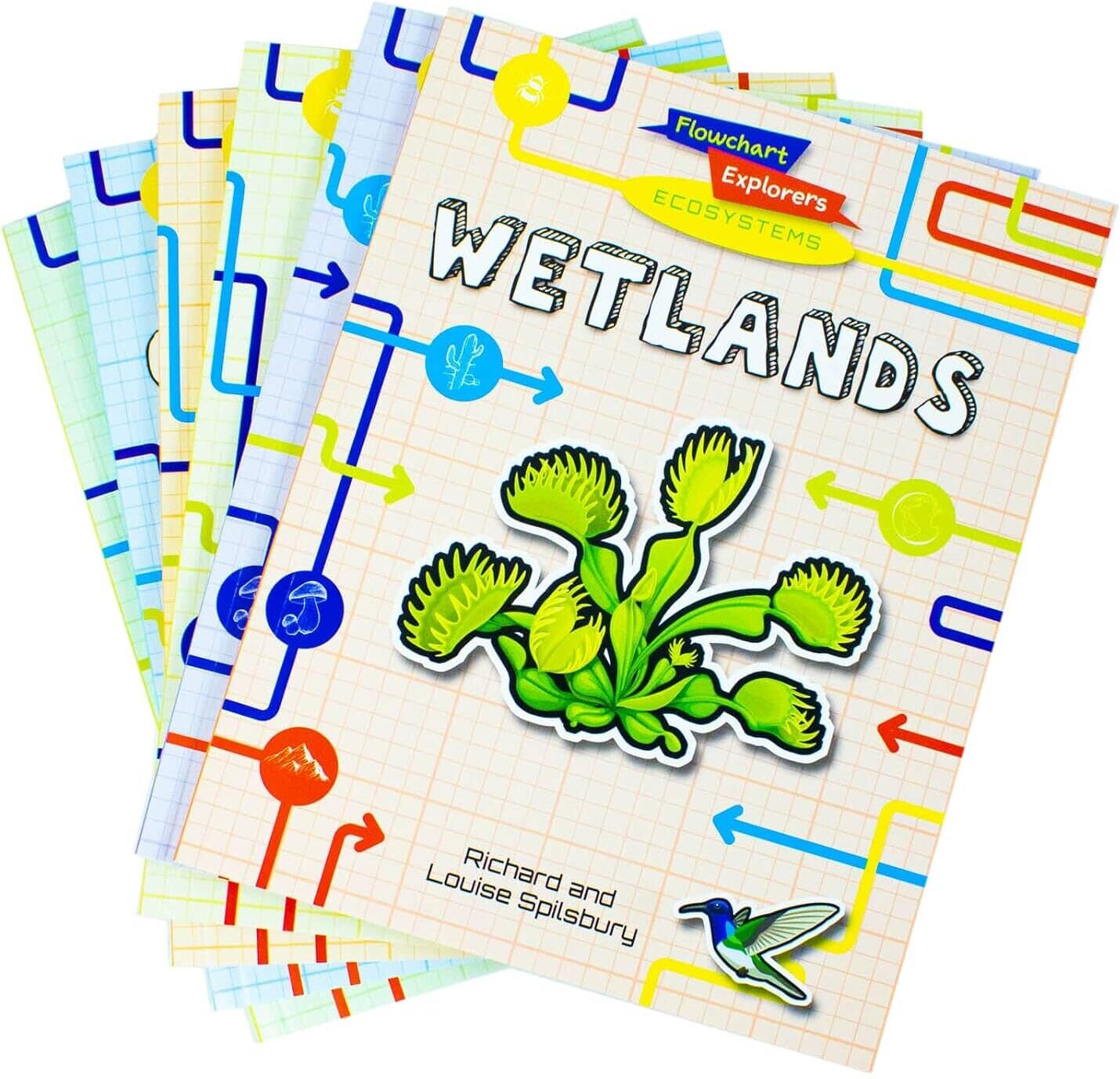
Flowchart Explorers Ecosystems Series 6 Books Collection Set - Ages 9-11 - Paperback Fox Eye PublishingEmbark on a journey of discovery with the "Flowchart Explorers Ecosystems STEM" 6-book set! Explore the wonders of deserts, grasslands, mountains, oceans, rainforests, and wetlands through engaging geography and science books. Titles In This Set: Deserts Grasslands Mountains Oceans Rain Forests Wetlands Description: Deserts Journey into the arid landscapes of deserts and uncover the unique adaptations of plants and animals to survive in extreme conditions. Explore the shifting sands and the fascinating life that thrives in these seemingly barren environments. Grasslands Roam the vast plains of grasslands and discover the rich biodiversity of these expansive ecosystems. Learn about the diverse wildlife, from grazing herbivores to cunning predators, and the essential role grasslands play in supporting life on Earth. Mountains Ascend to the towering peaks of mountains and explore the rugged terrain of these majestic landscapes. Discover the geological forces that shape mountains, the hardy flora and fauna that inhabit them, and the challenges of living at high altitudes. Oceans Dive into the depths of the oceans and unlock the mysteries of the world's largest and most vital ecosystems. From the sunlit surface to the abyssal depths, explore the incredible diversity of marine life and the interconnectedness of oceanic processes. Rain Forests Venture into the lush green canopies of rainforests and marvel at the incredible biodiversity found within these vibrant ecosystems. Discover the intricate relationships between plants, animals, and indigenous peoples, and the importance of conserving these irreplaceable habitats. Wetlands Wade into the tranquil waters of wetlands and explore the dynamic landscapes where water meets land. Learn about the diverse array of wetland ecosystems, from marshes to swamps, and their crucial role in filtering water, mitigating floods, and providing habitat for countless species.13,95 £*Shipping: 2,99 £Secure redirect to the provider
-
Happy Pet Pantry Natural Dog & Cat Yeast Infection Drops Herbal Gut & Immune Support Supplement Natural Dog & Cat Yeast Infection Drops Herbal Gut & Immune Support SupplementWhen pets struggle with itching, odor, or digestive imbalance, daily comfort can quickly decline. This gentle herbal liquid supplement is designed for dogs and cats experiencing yeastrelated discomfort and digestive imbalance. For pet owners seeking...34,97 $*Shipping: 0,00 $Secure redirect to the provider
-
Sonos BOOST Wireless Performance Component - WhiteDescription The Sonos BOOST is a dedicated wireless network component designed to help provide a reliable connection for compatible Sonos speakers. It creates a dedicated wireless network for Sonos products, helping reduce interference from other devices on the home WiFi network. BOOST is useful in larger homes or environments where WiFi coverage or network congestion can affect wireless audio performance. It connects to the home router using Ethernet and provides a dedicated wireless connection for Sonos products. The compact design allows the BOOST to be positioned conveniently near a router or in another suitable location. It supports both 2.4GHz and 5GHz wireless networks and features Ethernet connectivity for a stable wired connection to the network.116,49 £*Shipping: 0,00 £Secure redirect to the provider
-
Uplifted Goods Invisible Double Eyelid Lifting Tape For Natural Eye Enhancement bEnhance your natural beauty with these invisible double eyelid lifting patches designed to instantly create a defined crease and lifted look. Made with gentle, skinfriendly adhesive, these patches are ultrathin and blend seamlessly with all skin...34,97 $*Shipping: 0,00 $Secure redirect to the provider
-
What are natural or near-natural ecosystems?
Natural or near-natural ecosystems are areas of land or water that have not been significantly altered by human activity. These ecosystems are characterized by a high degree of biodiversity and are home to a wide variety of plant and animal species. They are often self-sustaining and have complex interactions between different organisms and their environment. Examples of natural or near-natural ecosystems include old-growth forests, coral reefs, and wetlands. These ecosystems are important for maintaining ecological balance and providing essential services such as clean water, air, and habitat for wildlife. **
-
Can someone name three natural or artificial ecosystems for me?
Sure! Three natural ecosystems are the Amazon Rainforest, the Great Barrier Reef, and the African Savanna. Three artificial ecosystems are urban parks, agricultural fields, and aquariums. **
-
Why are artificial ecosystems more vulnerable to disturbances than natural ones?
Artificial ecosystems are more vulnerable to disturbances than natural ones because they are often less diverse and resilient. Natural ecosystems have evolved over time to be able to adapt to disturbances and maintain balance, whereas artificial ecosystems are usually more simplified and lack the same level of complexity. Additionally, artificial ecosystems are often managed by humans, making them more susceptible to human-induced disturbances such as pollution or habitat destruction. Overall, the lack of natural processes and biodiversity in artificial ecosystems makes them more fragile and less able to withstand disturbances. **
-
Why are artificial ecosystems more susceptible to disturbances than natural ones?
Artificial ecosystems are more susceptible to disturbances than natural ones because they are often less diverse and resilient. Natural ecosystems have evolved over time to be able to withstand and recover from disturbances, whereas artificial ecosystems are typically more simplified and lack the same level of complexity. Additionally, artificial ecosystems are often managed or designed for specific purposes, making them more vulnerable to disruptions that can have cascading effects. Finally, artificial ecosystems may not have the same level of natural processes, such as nutrient cycling or predator-prey relationships, that help maintain stability in natural ecosystems. **
Similar search terms for Ecosystems
-
Boost Pebble Sunbrella Performance Fabric by the Yard - Ballard DesignsSolid pebble in a velvety richly textured weave of thick, supple, family-friendly Ballard Designs Performance Fabric by Sunbrella.Content: 100% Sunbrella Acrylic. Repeat: Non Railroaded fabric with no repeat . Care: Spot clean easily with mild soap...57,60 $*Shipping: 179,00 $Secure redirect to the provider
-
CreateConfidence TCM Acne Scar Cream Natural Herbal Treatment For Clear, Smooth Skin TCM Acne Scar Cream Natural Herbal Treatment For Clear, Smooth SkinStruggling with stubborn acne marks that just wont fade This acne scar cream is designed for anyone who wants clearer, smoother skin without harsh chemicals. Powered by traditional herbal ingredients, it works gently yet effectively to reduce...29,97 $*Shipping: 0,00 $Secure redirect to the provider
-
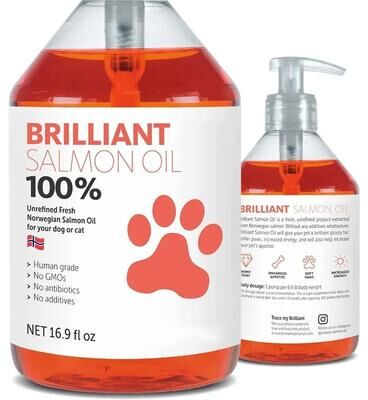
Inspired Finds Natural Salmon Fish Oil Supplement For Dogs & Cats With Omega Fatty Acids Natural Salmon Fish Oil Supplement For Dogs & Cats With Omega Fatty AcidsSupport your pets overall wellness with this nutrientrich salmon fish oil for pets formulated to help maintain healthy skin, a shiny coat, strong joints, and daily vitality. Packed with essential omega fatty acids, this easytouse liquid supplement...78,99 $*Shipping: 0,00 $Secure redirect to the provider
-
Inspire Picks Natural Salmon Fish Oil For Dogs & Cats Omega 3, 6 & 9 Pet Supplement (200ml) Natural Salmon Fish Oil For Dogs & Cats Omega 3, 6 & 9 Pet Supplement (200ml)Support your pets everyday wellness with this premium salmon fish oil for dogs and cats, specially formulated with 21 essential omega fatty acids. Made from natural salmon oil, this nutrientrich pet nutritional supplement helps promote healthy skin,...68,56 $*Shipping: 0,00 $Secure redirect to the provider
-
Do closed ecosystems work in aquaristics?
Closed ecosystems, also known as self-sustaining ecosystems, can work in aquaristics under the right conditions. These ecosystems can be created in a sealed environment such as a fish tank, where the balance of plants, animals, and microorganisms can sustain themselves without external inputs. However, maintaining a truly closed ecosystem can be challenging, as it requires careful monitoring and management to ensure that all components are in balance. Additionally, closed ecosystems may not be suitable for all types of aquatic life, and some species may require more specific environmental conditions that cannot be fully replicated in a closed system. **
-
What ecosystems are there in Germany?
Germany is home to a variety of ecosystems, including forests, grasslands, wetlands, rivers, lakes, and coastal areas. The country's diverse landscapes support a wide range of plant and animal species, making it a rich and important biodiversity hotspot. These ecosystems are carefully managed and protected through national parks, nature reserves, and conservation efforts to ensure their preservation for future generations. **
-
Why are streams or rivers open ecosystems?
Streams or rivers are open ecosystems because they are constantly exchanging energy and materials with their surrounding environment. They receive inputs of water, nutrients, and organic matter from the surrounding land, and they also release water and nutrients downstream. This constant flow of materials and energy allows for a high level of biodiversity and dynamic interactions between the organisms and their environment. Additionally, streams and rivers are often connected to other ecosystems such as wetlands, forests, and lakes, further contributing to their open nature. **
-
How do material cycles work in ecosystems?
Material cycles in ecosystems involve the movement and recycling of essential elements such as carbon, nitrogen, and phosphorus. These elements are taken up by plants from the soil or water, and then transferred to herbivores when they consume the plants. When the herbivores are eaten by carnivores, the elements are further transferred up the food chain. When organisms die, their bodies decompose, releasing the elements back into the environment to be taken up by plants again. This continuous cycling of materials ensures that essential elements are constantly being recycled and made available for use by different organisms in the ecosystem. **
* All prices are inclusive of VAT and, if applicable, plus shipping costs. The offer information is based on the details provided by the respective shop and is updated through automated processes. Real-time updates do not occur, so deviations can occur in individual cases. ** Note: Parts of this content were created by AI.